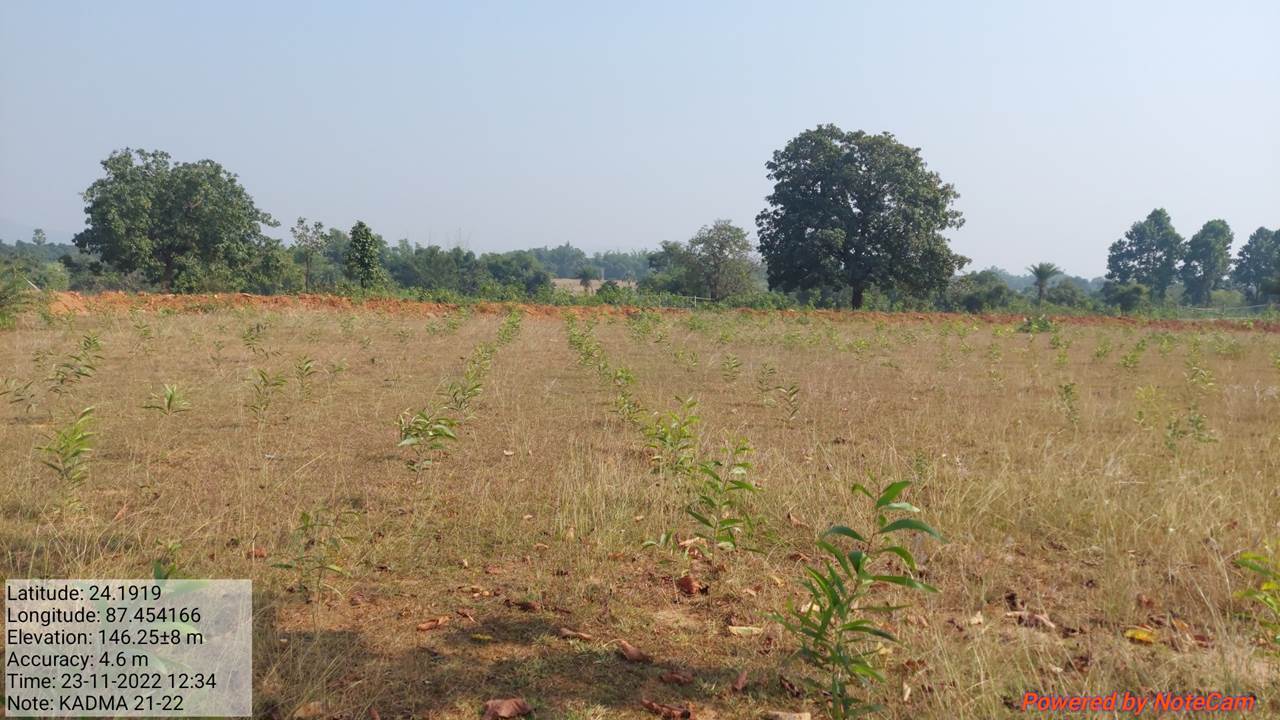
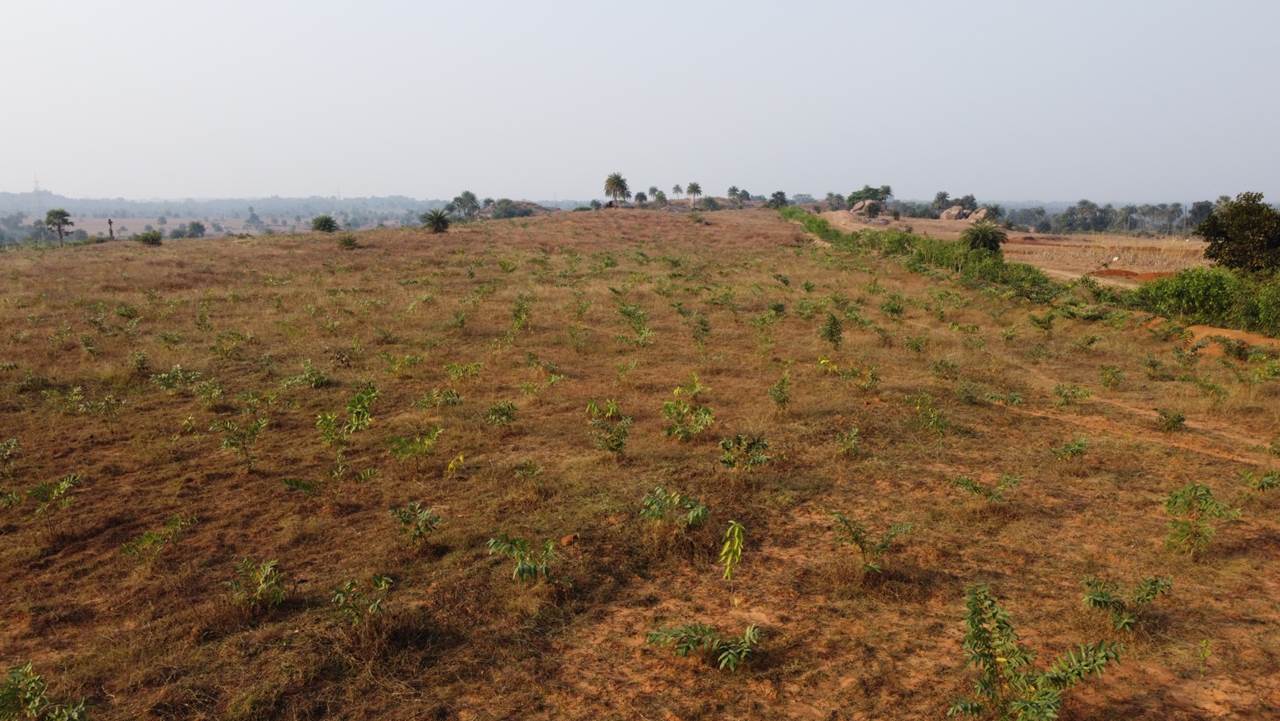
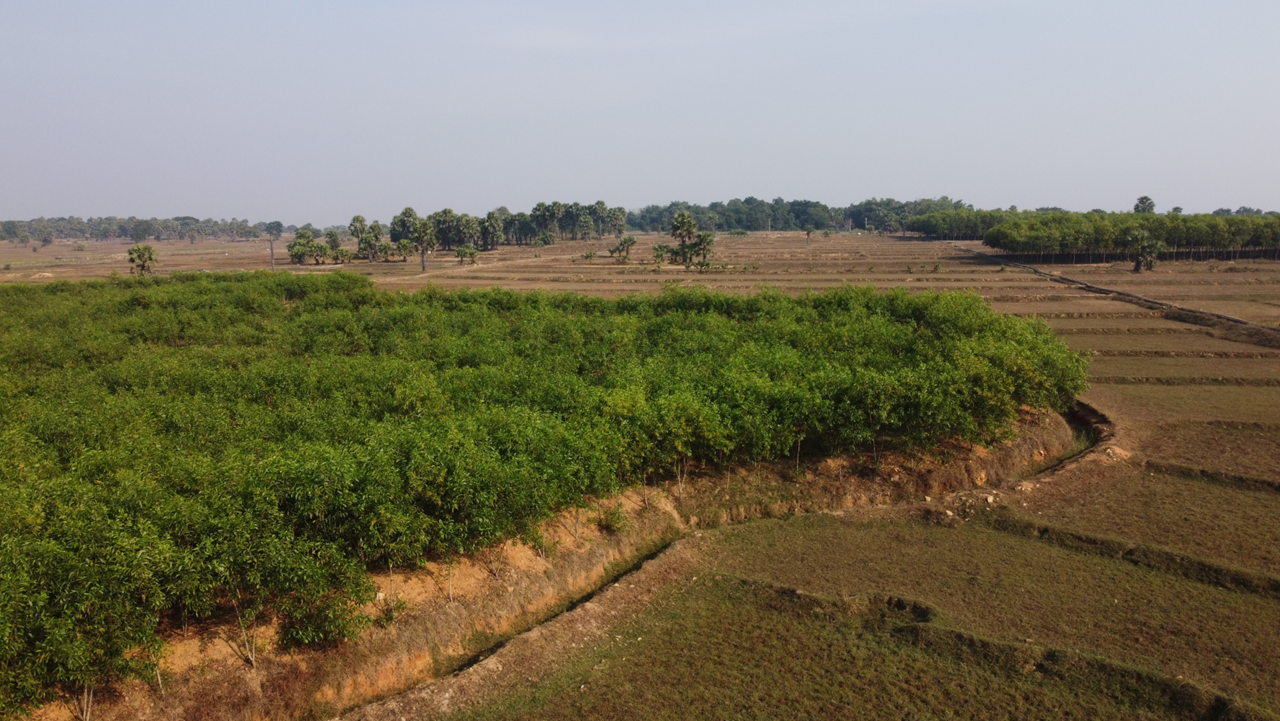
Social Forestry at its core is an approach to forestry, keeping in mind the demands and needs of the people, especially of communities traditionally dependent on forest produce. Prasad Ji, IFS 1985 batch officer, defines Social Forestry as, “Forestry outside the conventional forests which primarily aims at providing continuous flow of goods and services for the benefit of people". Thus, the needs of the local people are given prime importance, based on which activities, programmes and schemes are carried out by the department to augment forest-based resources, thus reducing the biotic pressure on the conventional territorial forests. Participation of the local community is an integral part of the schemes surrounding social forestry. Therefore, in a nutshell, it can be stated that social forestry is the practice of forestry of the people, forestry by the people and forestry for the people.
The National Commission on Social Forestry (1976) framed the objectives of Social Forestry as:
- To fulfil the basic requirements such as fuel, fodder, small timber, supplementary food and income from surplus forest products to the rural area and replacement of cow dung.
- To provide employment opportunities and to increase family income considerable for alleviating poverty.
- To develop cottage industries in rural areas.
- To organize them in their struggle for socioeconomic development and to integrate economic gains in the distribution of their benefits to the rural society
- To provide congenial environment and preserve their cultural identity as their life related to forest.
- To indoctrinate the value of village level self-sufficiency and self-management in the production as well as distribution of forest products with social justice.
- To form the villagers into a well-knit community and an effective functional unit of society which can shape its own destiny.
- To play a vital role in the reclamation of degraded lands, conservation of soil and moisture, improvement of agricultural production and prevention of environmental deterioration.
- To increase the natural beauty of the landscape, create recreational forests for the benefit of rural and urban population.
- To protect agricultural fields against wind speed and natural calamity
- To solve the food problem of the rural area to a great extent. Certain edible fruits like cashew, mango, coconut and palms have high nutritional value and grow under social forestry programme.
- To utilize the available land according to its carrying capacity
The department has dedicated divisions to carry out social forestry programmes in the state. Divisional Forest Officer (DFO), Social Forestry is responsible for the overall coordination of such activities in the division.
Mukhyamantri Jan Van Yojana
Mukhyamantri Jan Van Yojana was started in december 2015 ( i.e in the financial year 2016-17). In this scheme farmers can plant from 0.50 acre to 50 acre on their raiyaty (Private) land. Under the scheme both timber and fruits yielding species can be planted as per the choice of the farmer. Farmers are paid 50% of total cost of plantation including cost of seedlings, fencing etc as per the departmental SoR as incentive.
Objectives of the Scheme
- Maintaining environmental balance by increasing the green area of the state
- Ground water conservation through tree plantation.
- To reduce the pressure on notified forests by promoting production of forest produce in the private sector.
- To increase the income of farmers by promoting plantation in their on land
- To increase forest cover in the state with public cooperation